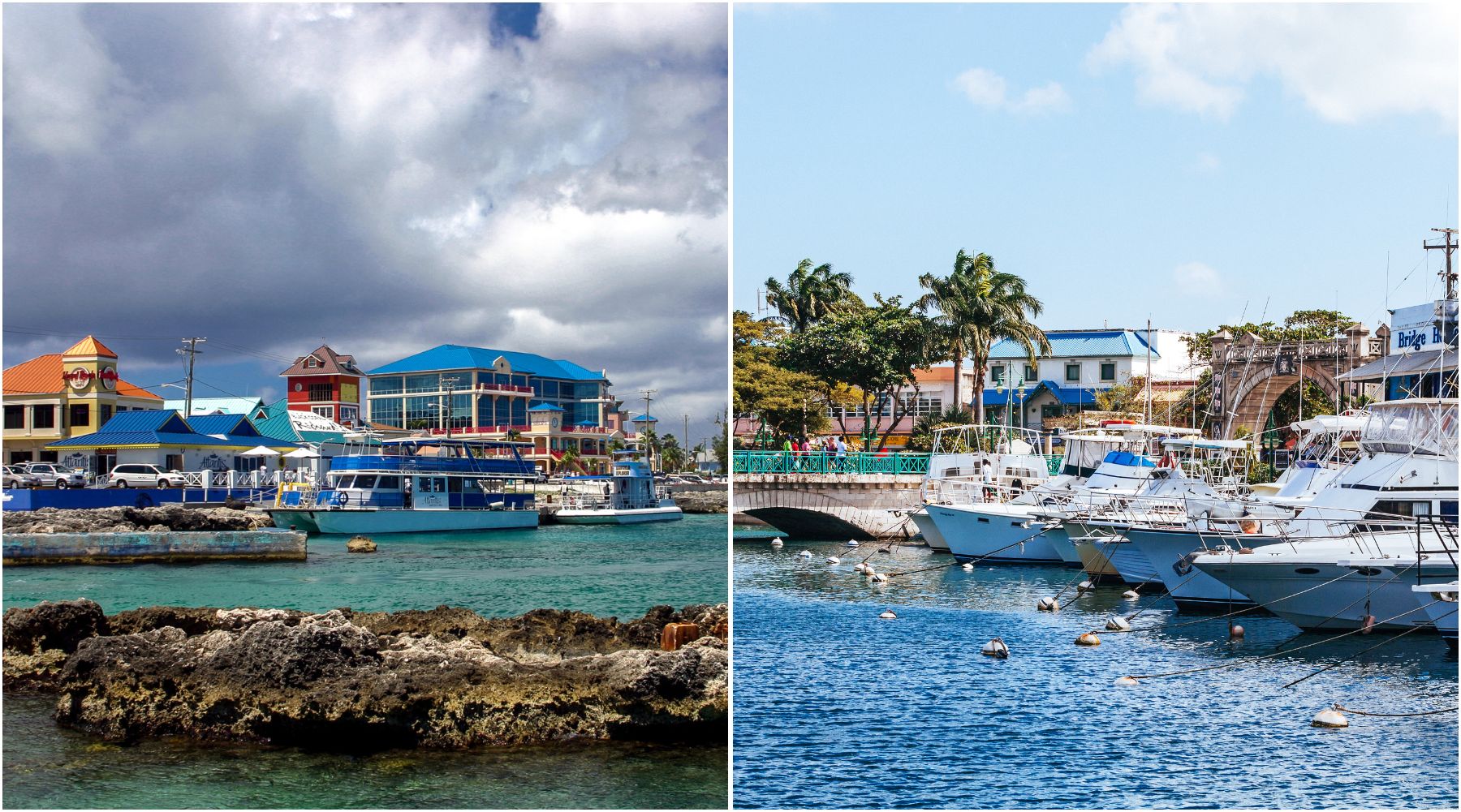
Cayman Islands vs. Barbados: Offshore Business Comparison for International Entrepreneurs
With their stunning landscapes and favorable business climates, the Caribbean islands of the Cayman Islands and Barbados are vying for the attention of entrepreneurs globally. Both jurisdictions have established themselves as leading offshore business destinations, attracting companies from fintech and blockchain to traditional financial services and intellectual property holding structures. We delve into the specifics to assess which destination might be the ideal fit for establishing an offshore business.

Who Should Choose Each Jurisdiction?
Before diving into the detailed comparison, here's a quick decision framework based on your business priorities:
Choose the Cayman Islands if you:
- Want a completely tax-neutral environment (0% corporate, income, and capital gains tax)
- Operate in crypto, blockchain, fintech, or virtual assets
- Value access to world-class legal and financial service providers
- Prefer a streamlined Special Economic Zone setup process
- Are a Canadian business seeking tax-efficient fund repatriation
Choose Barbados if you:
- Need access to double taxation treaty networks
- Want rapid incorporation (5 business days)
- Prefer lower initial setup costs
- Are comfortable with low (but not zero) corporate tax rates
Taxation
The Cayman Islands offers a tax-neutral environment with no corporate, capital gains, or sales taxes, making it an appealing destination for fiscal efficiency. Conversely, Barbados general corporation tax rate is 9%, effective January 1, 2024. Approved small businesses earning revenue below US$1M are taxed at 5.5%.
Special Considerations
- Double Tax Treaties: Barbados has a comprehensive network, beneficial for entities in countries like Canada. The Cayman Islands, with a Tax Information Exchange Agreement (TIEA) with Canada, offers a 0% tax rate on repatriating funds, providing a potentially more favorable fiscal position.
Detailed Tax Comparison:
|
Tax Type |
Cayman Islands (CEC) |
Barbados |
|
Corporate Tax |
0% |
5.5% - 9% |
|
Personal Income Tax |
0% |
Up to 28.5% |
|
Capital Gains Tax |
0% |
0% |
|
Sales Tax/VAT |
0% |
17.5% |
|
Withholding Tax |
0% |
0% on dividends |
|
Payroll Tax |
0% |
Up to 11.25% |
|
Double Taxation Treaties |
None |
Extensive Network |
|
Special Tax Incentives |
The Cayman Islands Special Economic Zones operated by Cayman Enterprise City. |
Approved small businesses earning revenue below US$1M are taxed at 5.5%. |
For Canadian Entrepreneurs
Canada represents one of the largest source markets for Caribbean offshore business formation. With approximately 3.3% of the Cayman Islands population being Canadian (around 3,000 people), and Canadians representing 13% of SEZ company owners, the jurisdiction has developed strong expertise in serving Canadian business needs.
Key considerations for Canadians:
- The Cayman Islands' TIEA with Canada allows 0% tax on fund repatriation
- Barbados' double taxation treaty with Canada can reduce withholding taxes
- Both jurisdictions are in similar time zones (EST/AST), facilitating business operations
- Direct flights available from Toronto to both destinations
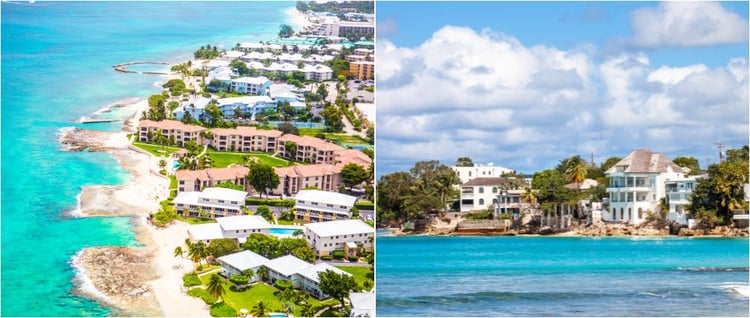
Setting Up an Offshore Business
Barbados boasts a swift online incorporation process, capable of setting up a business in about 5 days. The Cayman Islands provide a detailed, guided setup process taking 4-6 weeks. Due to a tax favourable environment, the Cayman Islands has attracted top-tier service providers such as Maples, Walkers Global, Mourant, and the big four accounting firms, Deloitte, EY, KPMG, and PwC.
Setup Requirements Comparison:
|
Requirement |
Cayman Islands (CEC) |
Barbados |
| Setup Time | 4-6 Weeks |
5 Business Days * |
|
Initial Cost |
From USD $14,500 (turnkey) |
From USD $1,000-1,500 |
|
Minimum Directors |
1 |
1 |
|
Minimum Shareholders |
1 |
1 |
|
Minimum Capital |
None |
BBD $0 |
|
Local Director Required |
No |
No |
|
Foreign Ownership |
100% Permitted |
100% Permitted |
Intellectual Property and Legal Framework
Both jurisdictions uphold British Common Law, ensuring robust protection for your business's intellectual property. They both permit 100% foreign ownership, with Cayman Islands' law adding familiarity for those used to British legal systems.
The Cayman Islands operates as a British Overseas Territory, meaning its legal system maintains direct links to UK jurisprudence. Final appeals can be made to the Judicial Committee of the Privy Council in London, providing an additional layer of legal certainty.
Barbados, while independent since 1966, also maintains a legal system based on English common law, though it has since established the Caribbean Court of Justice as its final appellate court.
Ease of Doing Business and Travel
The Cayman Islands are noted for their streamlined business setup and connectivity to major American cities. Barbados facilitates efficient business operations and offers extensive global connectivity through its well-equipped infrastructure.
Connectivity Comparison:
Cayman Islands: Flights to 29 destinations including direct service to Los Angeles, Miami, New York, Toronto, and London. Served by 10 airlines.
Barbados: Flights to 27 destinations with direct service to major cities. Served by 19 airlines.
Island Demographics and Business Community Dynamics
Barbados is a bustling hub with over 265,000 residents, supported by an investment-friendly government. The Cayman Islands, though smaller with 65,483 inhabitants, feature a global mix of over 130 nationalities. This diversity enriches a vibrant business community, making it particularly attractive for international networking and enterprises.
The Cayman Islands' smaller, internationally diverse population creates a unique business environment where networking opportunities are abundant. Industry associations like Digital Cayman and the Cayman Islands Virtual Assets Society (CIVAS) foster collaboration within specific sectors, while regular events like CEC Tech Talks and Fin Talks bring the business community together.
Special Economic Zones and Investment Incentives
The Cayman Islands stand out with Special Economic Zones (SEZs), offering significant tax relief and operational benefits. Barbados lacks SEZs, but does offer robust incentives for global businesses, underpinned by supportive government policies. Both locales are primed for global entrepreneurs seeking advantageous business environments.
Cayman Enterprise City Special Economic Zones include:
- Cayman Tech City – For technology, AI, and software companies
- Cayman Commodities & Derivatives City – For trading and commodities firms
- Cayman Maritime & Aviation City – For shipping and aviation businesses
- Cayman Media City – For media, marketing, and creative industries
Virtual Assets and Cryptocurrency Businesses
For blockchain, cryptocurrency, and virtual asset companies, the Cayman Islands has emerged as a leading jurisdiction. The islands have attracted major players including Chainlink, Avalanche, Ledn, Aave, and MakerDAO. Cayman Tech City within the Cayman Enterprise City SEZ provides a dedicated environment for crypto and Web3 companies to establish and scale their operations.
Barbados has not developed a comparable regulatory framework specifically for virtual assets, making the Cayman Islands the clear choice for businesses in this sector.
Lifestyle
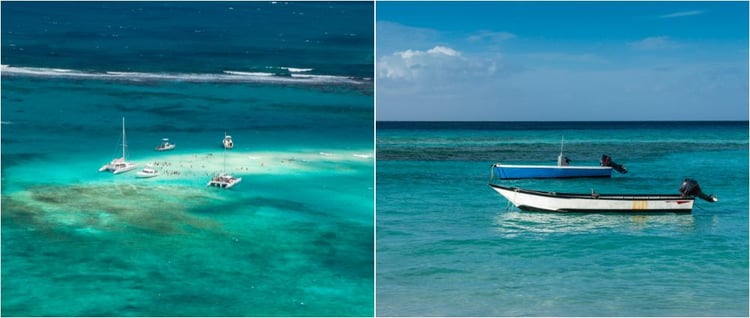
In the Cayman Islands, residents enjoy a luxurious lifestyle, complete with top-tier amenities, healthcare, education, restaurants, and leisure activities like beach outings and water sports. Barbados offers a blend of sophistication and local culture, rich in cultural activities, diverse cuisine, and excellent education and health facilities. The Cayman Islands has earned the title 'culinary capital of the Caribbean' with over 150 restaurants ranging from internationally acclaimed signature establishments to local favourites.
As a British Overseas Territory, Cayman provides access to high-level healthcare and reputable international schools based on both American and British education systems – a combination unparalleled in the Caribbean.
Safety
The Cayman Islands are celebrated for their safety and low crime rates, bolstered by proactive anti-corruption measures. Barbados maintains a generally safe environment, with crime mostly limited to minor incidents. Its governance, while stable, is perceived as somewhat lax in addressing corruption, though it doesn't overshadow the island's overall security.
Cost of Living
Both destinations face high living costs. The Cayman Islands offset these costs with no direct taxes, such as income or sales taxes. Barbados, featuring a lower cost of living index, offers an attractive tax regime with numerous incentives. These financial strategies make each island appealing, depending on individual and business financial goals.
Frequently Asked Questions
Is the Cayman Islands or Barbados better for an offshore company?
It depends on your priorities. The Cayman Islands offers a completely tax-neutral environment with established Special Economic Zones, making it ideal for tech, crypto, and financial services companies. Barbados offers faster incorporation and double tax treaties, which may benefit businesses with operations in treaty partner countries.
What are the corporate tax rates in Barbados vs Cayman Islands?
The Cayman Islands has 0% corporate tax. Barbados has a corporate tax rate of 9% for general corporations (effective January 2024), with approved small businesses earning under US$1M taxed at 5.5%.
How long does it take to set up an offshore company in each jurisdiction?
Barbados offers faster incorporation at approximately 5 business days. The Cayman Islands SEZ setup through Cayman Enterprise City takes 4-6 weeks but includes comprehensive support and a turnkey solution.
Which jurisdiction is better for Canadian businesses?
Both have advantages for Canadians. Barbados has a double taxation agreement with Canada. The Cayman Islands has a Tax Information Exchange Agreement (TIEA) with Canada and offers 0% tax on fund repatriation. Canadians make up 13% of Cayman SEZ company owners.
Are the Cayman Islands safe for business?
Yes, the Cayman Islands are celebrated for their safety, low crime rates, and proactive anti-corruption measures. As a British Overseas Territory, it offers political stability and a robust legal system based on English common law.
Conclusion
The choice between the Cayman Islands and Barbados for setting up an offshore business hinges on specific priorities. Barbados appeals to those looking for a rapid setup and lower initial costs, while the Cayman Islands attract those desiring an efficient and luxurious business environment, complemented by a diverse international community. Each offers unique tax advantages, with the Cayman Islands further distinguishing itself with Special Economic Zones, which enhance both business prospects and quality of life.
Ready to Set Sail?
Discover the unique benefits of Cayman Enterprise City. With world-class facilities and a dynamic business community, the Cayman Islands not only promise significant business growth but also an unparalleled quality of life. Join us and elevate your business within our Special Economic Zones.